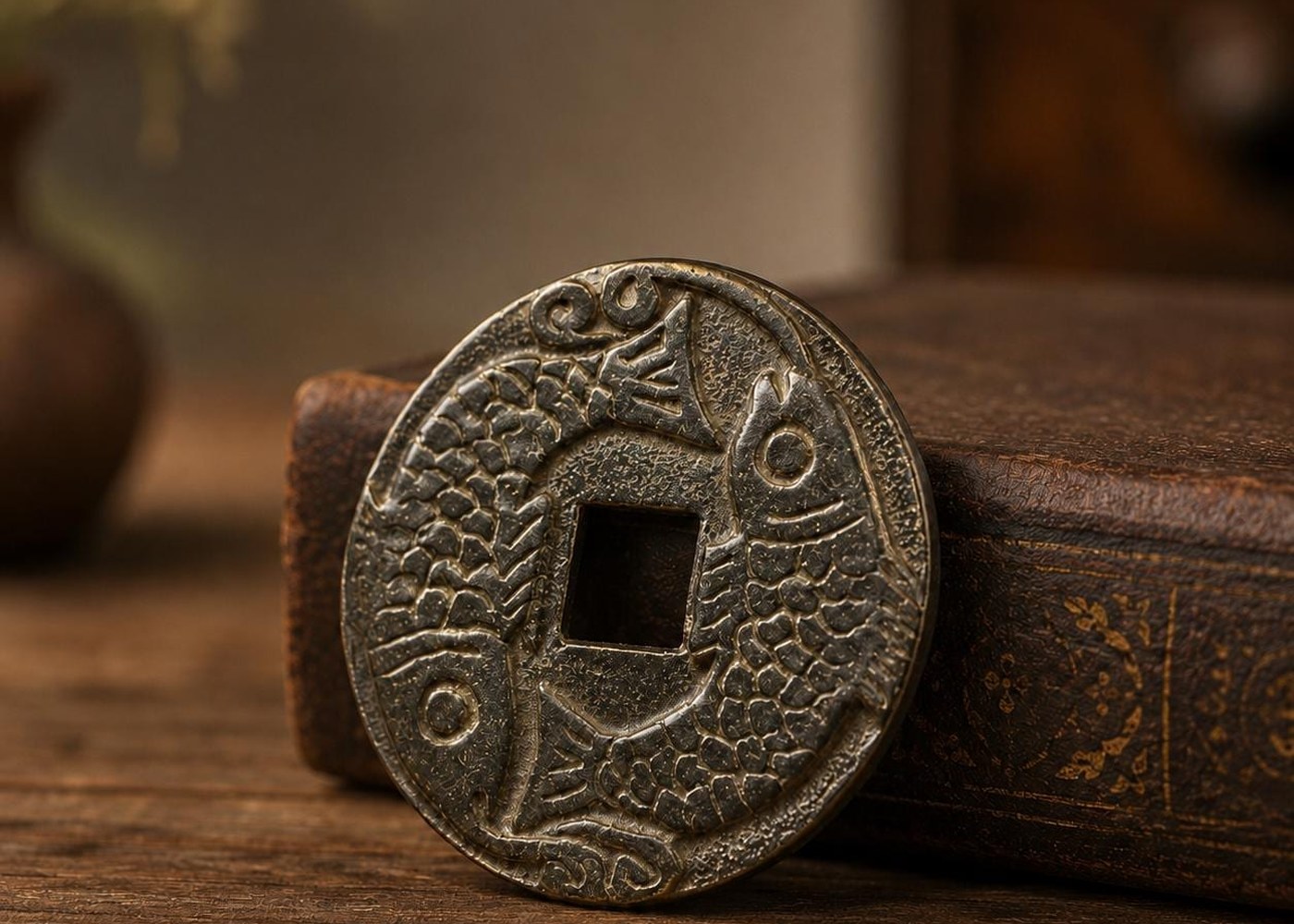
Coins on red string
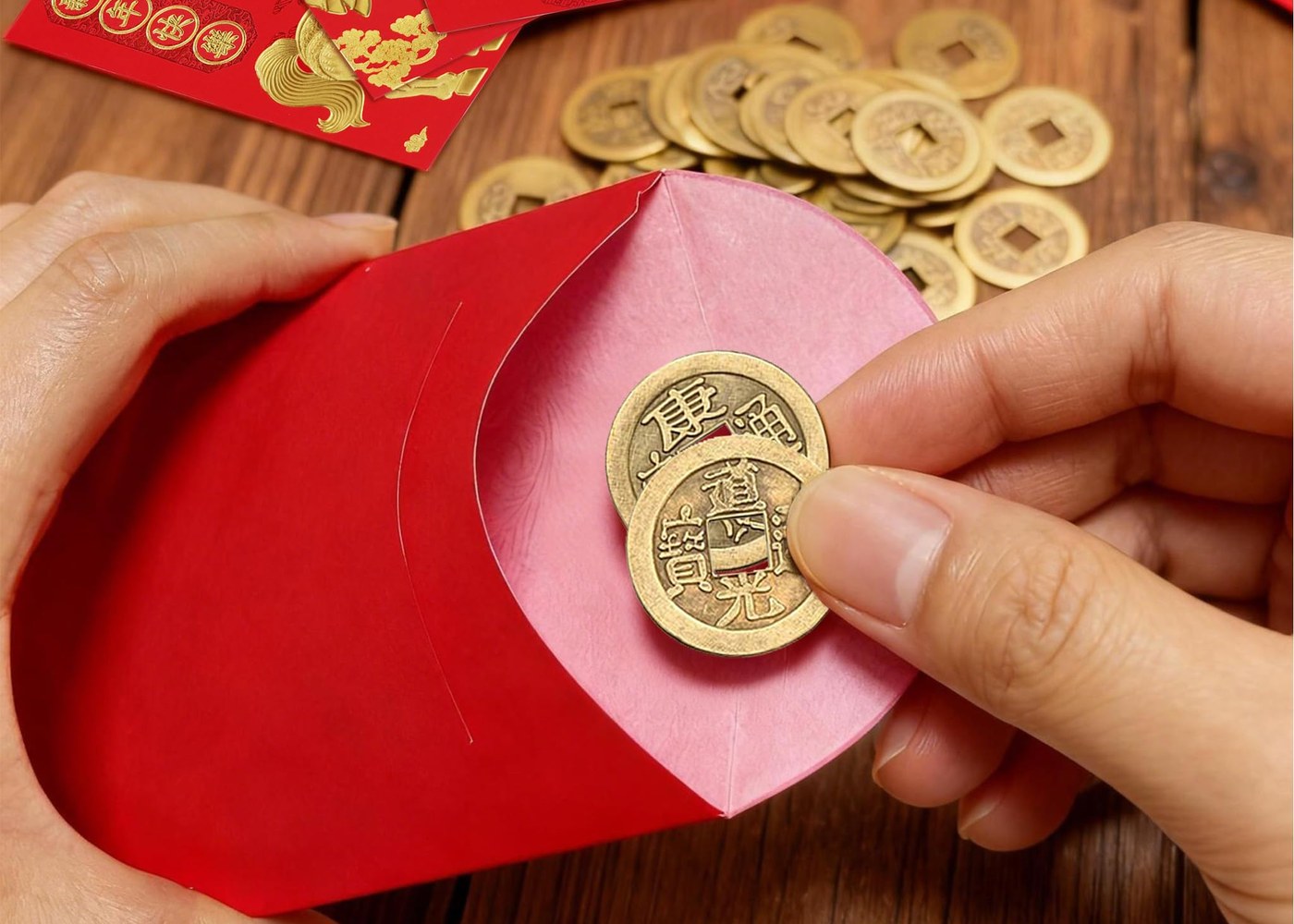
Three Qing-dynasty reproduction coins tied with red string. Carried in a wallet or hung above a register to draw wealth. The square hole in the centre represents earth; the round rim, heaven.
Talisman Treasures — Est. 2024 — Malaysia
A field guide to the good luck charms, talismans, and gambling superstitions that Malaysians actually carry, hang, and quietly trust — drawn from Chinese feng shui, Malay bomoh practice, and Indian yantra ritual, with the 4D dream dictionary that ties them all together on the morning of a draw.
Read the field guide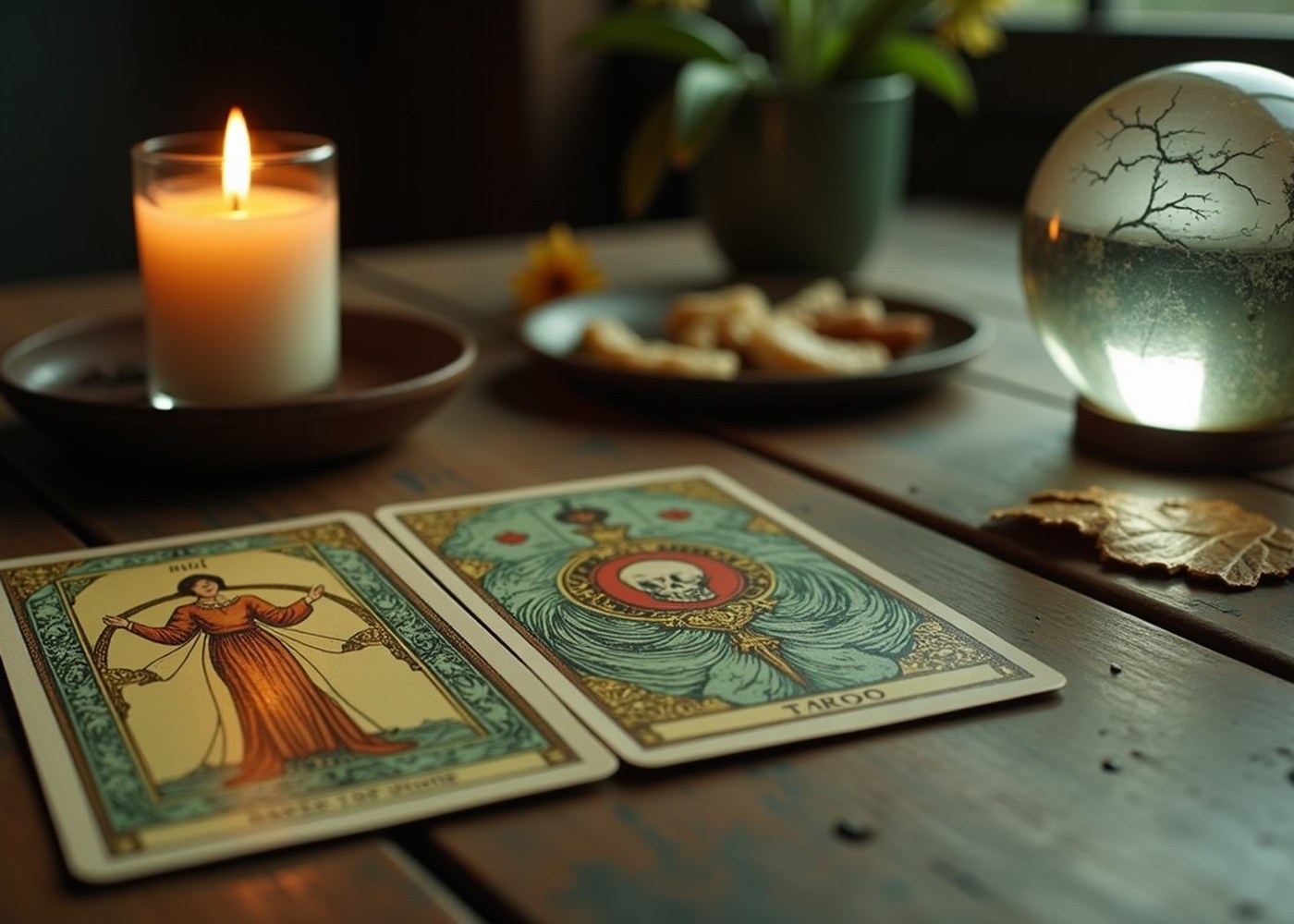
In Malaysia, luck is rarely a private matter. It travels through red envelopes handed at Lunar New Year, through the keris hung above a Malay doorway, through the yantra drawn at a Hindu prayer room, and most of all through a small piece of paper bought on a Wednesday with four numbers picked from last night's dream.
This field guide collects what we could verify about how these beliefs actually work in Malaysian homes, betting shops, and morning coffee talk. We have read the dream dictionaries sold at Pasar Seni, spoken with long-time punters in Ipoh and Penang, and cross-referenced against cultural sources from the three main communities. Where a belief is cultural rather than factual, we say so. Where a ritual crosses into harmful territory, we name it.
The good luck charms Malaysia has carried for generations are not superstition in the dismissive sense. They are a living record of how three cultures — Chinese, Malay, and Indian — have learned to live with chance. We treat them with the seriousness that deserves, and we ask you to do the same.
The single most carried good luck charm in Malaysia is the feng shui coin — a reproduction of the Qing dynasty square-hole coin, tied in threes or nines with red string, kept in wallets, hung above cash registers, and tucked into the lining of handbags.
Feng shui, literally "wind and water", is the Chinese practice of arranging space to allow qi (life energy) to flow. In Malaysian Chinese homes, the most visible feng shui objects are the three-legged toad (chan chu) placed near the entrance facing inward, the bagua mirror above the door to deflect bad energy, and a small arrangement of bamboo or jade plants in the south-east corner, the corner associated with wealth.
Ang pow, the red envelope, is more than gift packaging. The red colour itself is the charm — it carries the protective energy of fire and life. Many punters will slip a single ang pow containing a small note into their wallet before buying 4D, treating the envelope as a sealed container of intention. The practice is not about the money inside; it is about the colour and the act of sealing.
The number 8 remains the most desirable digit in Malaysian Chinese culture because the Cantonese pronunciation of eight (baat) sounds close to faat, meaning prosperity or to strike rich. This is why 4D combinations heavy in eights sell out fastest and why Malaysian Chinese businesses favour phone numbers, addresses, and car plates that end in eight or in combinations like 168 (yi lu fa — "prosperity all the way").
The number 4 (sei — sounds like death) is actively avoided. Many Malaysian Chinese buildings skip the fourth floor. For the same reason, a 4D ticket heavy in fours is considered unlucky to carry, even though, statistically, every combination has the same chance of being drawn.
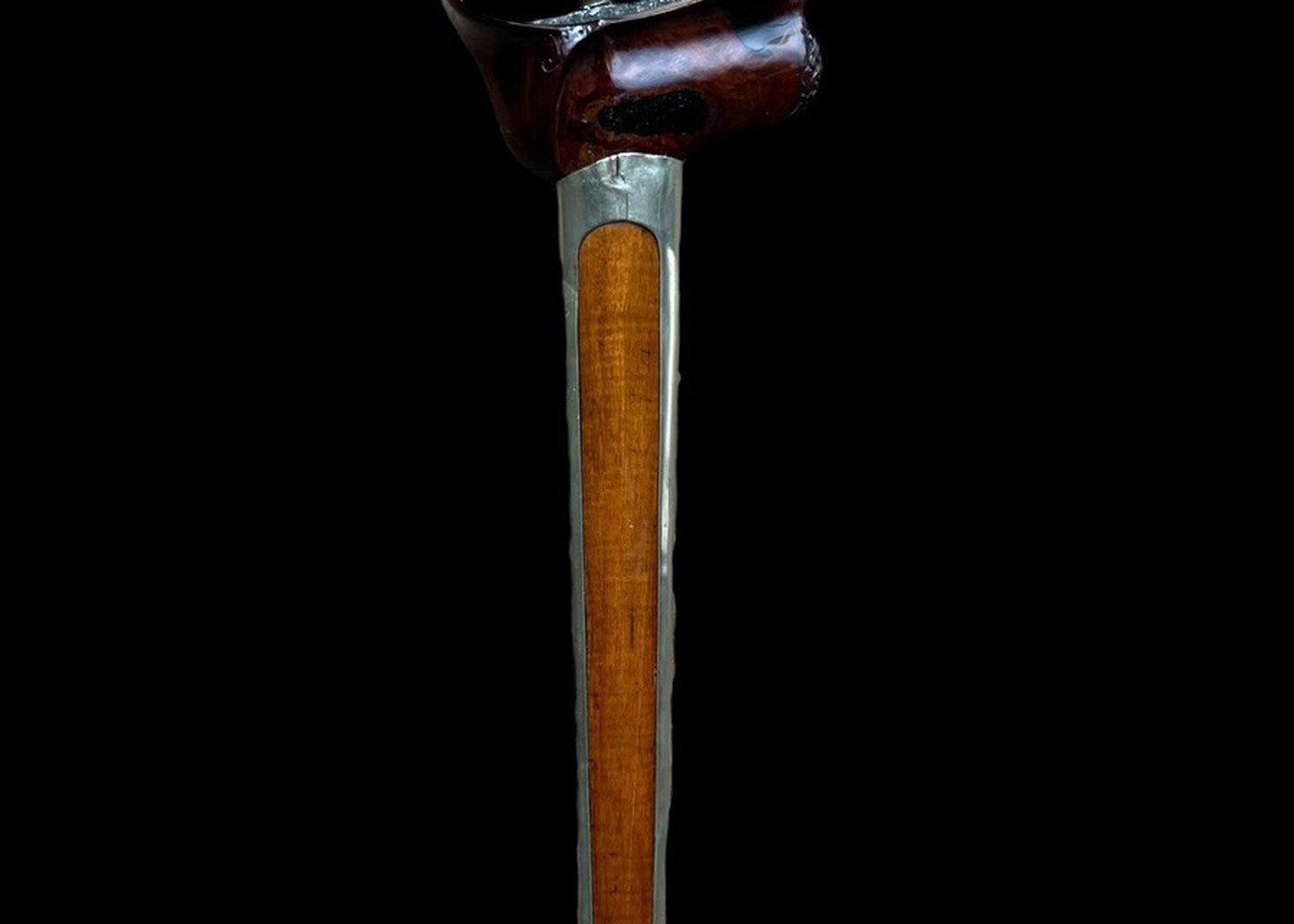
Malay tradition carries its own vocabulary of protection. The keris — the wavy blade that is both a weapon and a spiritual object — is the most recognisable. Older Malay families keep a keris in the home as a pusaka (heirloom) and believe that a properly consecrated blade can ward off burglary, illness, and interpersonal harm.
The bomoh (traditional healer) is the figure most Malaysians, regardless of background, will name when asked about Malay spiritual practice. A bomoh may prepare a tangkal — a small amulet, often a piece of paper inscribed with Quranic verse, folded and tied with string, worn around the neck or upper arm. These are made for protection during travel, for safety of children, and sometimes for what is delicately called "softening the heart" (pengasih) — a practice intended to make oneself or one's business more liked.
It is important to be clear about the boundary here. Traditional healing for genuine wellbeing — soothing a frightened child, supporting someone through grief, easing a long journey — is widely respected. Practices that promise to control another person, to cause harm, or to influence lottery outcomes are considered syirik (idolatry) in orthodox Islam and are rejected by the Malaysian Religious Department. We list them for context only.
What most Malay punters actually carry is simpler. A small verse written on paper and kept in a wallet, a ring inscribed with a protective phrase, or a piece of wood from a tree considered sacred (such as the cempaka or the kelapa) carried as a personal token. The common thread is the belief that barakah — blessing — flows through objects touched by sincere intention.
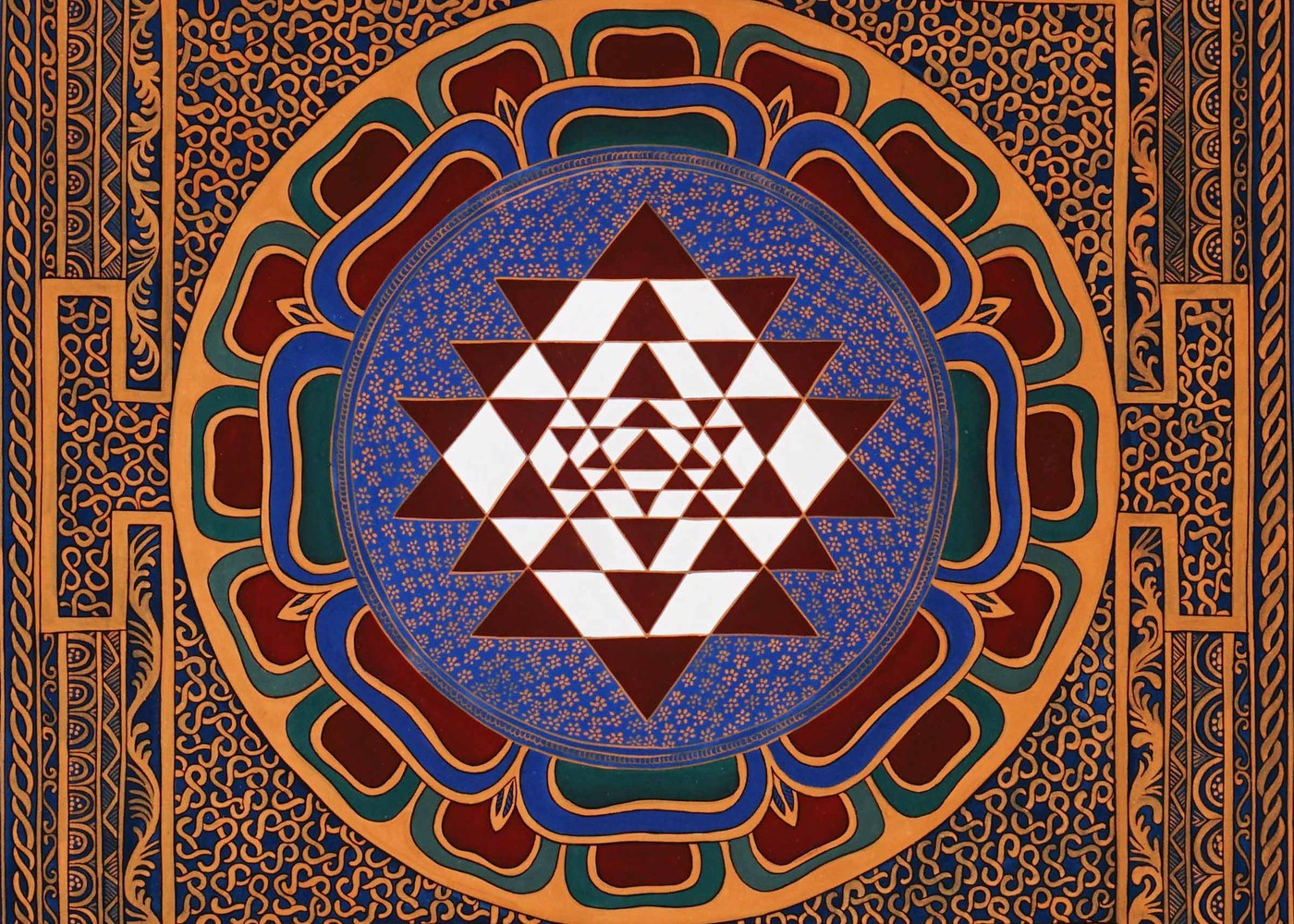
In Malaysian Indian homes, the most visible sacred object is the yantra — a geometric diagram, usually etched on a small copper or silver plate, used as a focal point for meditation and as a protective charm. The Sri Yantra, a complex interlocking of nine triangles, is the most widely recognised and is kept in prayer rooms, business premises, and occasionally in wallets.
A mantra is the spoken counterpart of a yantra — a sound or phrase repeated to focus the mind. The most familiar in Malaysia is "Om", considered the primordial sound. For wealth specifically, the Lakshmi mantra is recited on Fridays, the day associated with the goddess of prosperity, often accompanied by lighting a ghee lamp at the family altar.
The kaval is the South Indian Tamil equivalent of a tangkal — a small protective amulet, traditionally a copper or silver tube containing a folded paper inscribed with deity symbols, worn on a black string around the upper arm or neck. Older Malaysian Tamil men may still carry one, especially those who do night shifts or who work in physically hazardous trades.
Salt is the everyday Malay-Indian crossover. Both communities use a small bowl of salt near the doorway or in a corner of the kitchen to absorb negative energy, replacing it weekly. The practice is unremarkable enough that it appears in modern Malaysian interior design columns without comment.
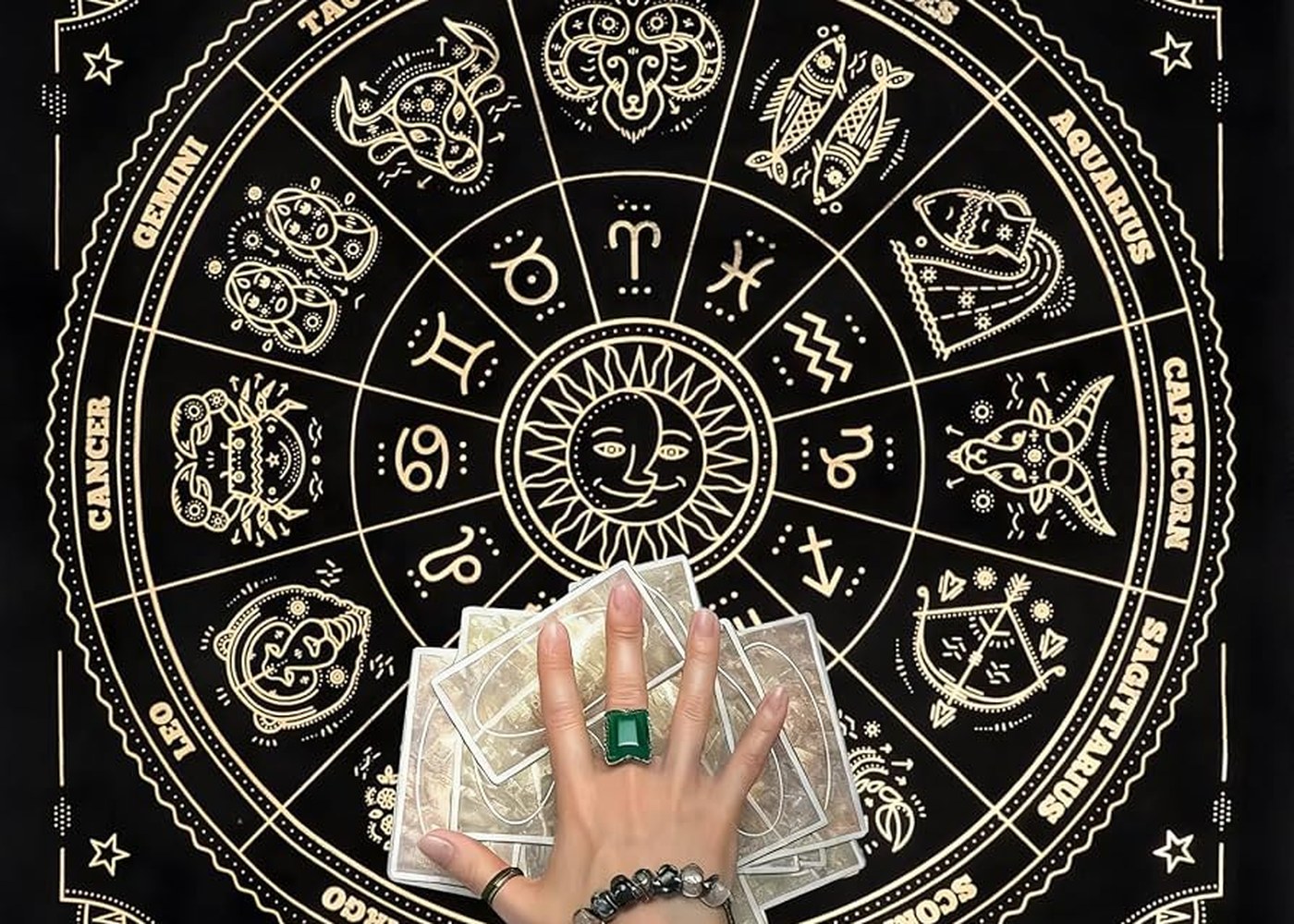
For those who consult an astrologer before significant decisions — and many do, especially before a wedding or a business launch — the suggested remedy is almost always a combination of a specific mantra, a charitable donation, and the wearing of a particular stone. The blue sapphire (neelam) is associated with Saturn and is the most powerful, but also the most cautioned — astrologers typically recommend a trial wearing of forty-eight hours before commitment.
Nothing ties the three Malaysian communities to a single ritual quite like the 4D dream dictionary. Almost every regular punter in Malaysia keeps, or has at some point consulted, a copy of the Kitab Mimpi or one of its Chinese-language equivalents. The book maps common dream images to four-digit numbers used to buy 4D tickets from Magnum, Sports Toto, and Da Ma Cai.
Malaysia's three legal 4D operators hold draws on Wednesday, Saturday, and Sunday, with a special draw on selected Tuesdays. The cycle produces a weekly rhythm in many households: a vivid dream on Sunday night becomes a topic of breakfast conversation on Monday, the relevant number is looked up by Tuesday, and the ticket is purchased before the Wednesday draw closes at 6pm.
Some common mappings from published Malaysian dream dictionaries: a snake corresponds to 0448 or 2448; a funeral procession to 1499; a wedding to 2424; losing a tooth to 2332 or 4114; swimming in clear water to 0688; being chased to 1381; finding money to 1848; a tiger to 1544. The numbers vary slightly between books and no single mapping is canonical — which is part of why punters consult more than one source.
The psychology behind this practice is well documented. Dreams are products of the subconscious mind, and the dictionary gives the dream a hook the conscious mind can act on. The purchase of the ticket, then, is less a prediction and more a ritual of paying attention — a way of treating the inner life as meaningful. The risk, and it is real, is that this turns into chasing losses when a player begins to find numbers in every dream and buys beyond their means.
For cultural context this practice is invaluable. For financial outcomes, it has no effect — every four-digit combination has the same one-in-ten-thousand chance of being drawn. The honest framing of the dream dictionary is as a folk tradition, not as a system for beating the lottery.
Three Qing-dynasty reproduction coins tied with red string. Carried in a wallet or hung above a register to draw wealth. The square hole in the centre represents earth; the round rim, heaven.
The red envelope is more than packaging. The colour carries the protective energy of fire. An empty ang pow tucked into a wallet is sometimes used as a sealed container of intention before buying 4D.
The wavy Malay blade kept as a family heirloom. A properly consecrated keris is believed to ward off burglary, illness, and interpersonal harm. Many are passed through three or more generations.
A copper or silver plate engraved with nine interlocking triangles. Used as a focal point for meditation and as a protective charm in prayer rooms and places of business.
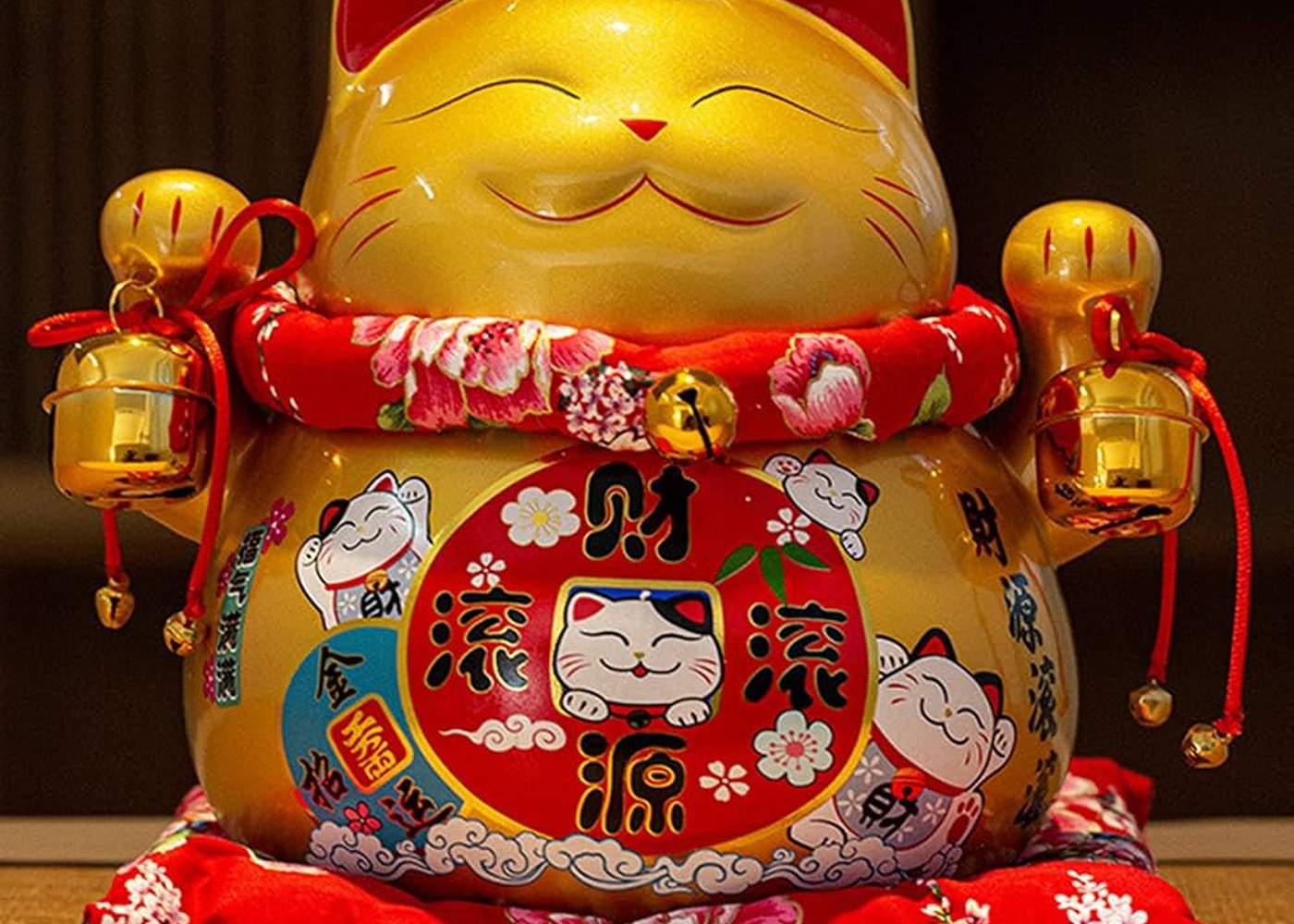
The Japanese lucky cat, widely adopted by Malaysian Chinese shops and betting outlets. A raised left paw invites customers; a raised right paw invites money. Many outlets use both.
The meanings below are cultural associations, not predictive. A number being considered lucky does not change the mathematical odds of any lottery draw. All Malaysian 4D combinations have an equal 1-in-10,000 chance per draw, regardless of cultural reputation.
| Number | Meaning | Origin | Typical Use |
|---|---|---|---|
| 8 | Prosperity, to strike rich | Cantonese (baat ~ faat) | Car plates, phone numbers, 4D combinations, unit numbers |
| 9 | Long-lasting, eternity | Cantonese (gau ~ longevity) | Wedding dates, business names |
| 6 | Smooth progress | Cantonese (luk ~ smooth) | Phone numbers, business opening dates |
| 3 | Life, growth, vitality | Cantonese (saam ~ life) | Groupings of three coins, three incense sticks |
| 2 | Harmony, easy success | Cantonese (yi ~ easy) | Paired objects, double happiness symbol |
| 168 | Prosperity all the way | Cantonese (yi-luk-faat) | Car plates, 4D ticket, business phone |
| 4 | Death, misfortune (avoid) | Cantonese (sei ~ death) | Avoided — buildings skip the 4th floor, 4D tickets heavy in 4s are unwelcome |
| 13 | Misfortune (avoid) | Western / Christian | Hotel floors, table numbers — but less observed in Malaysian Chinese context |
| 7 | Mixed — lucky in Indian tradition, the month of ghosts in Chinese | Cross-cultural | Lucky for Indian 4D players; avoided by Chinese during the 7th lunar month |
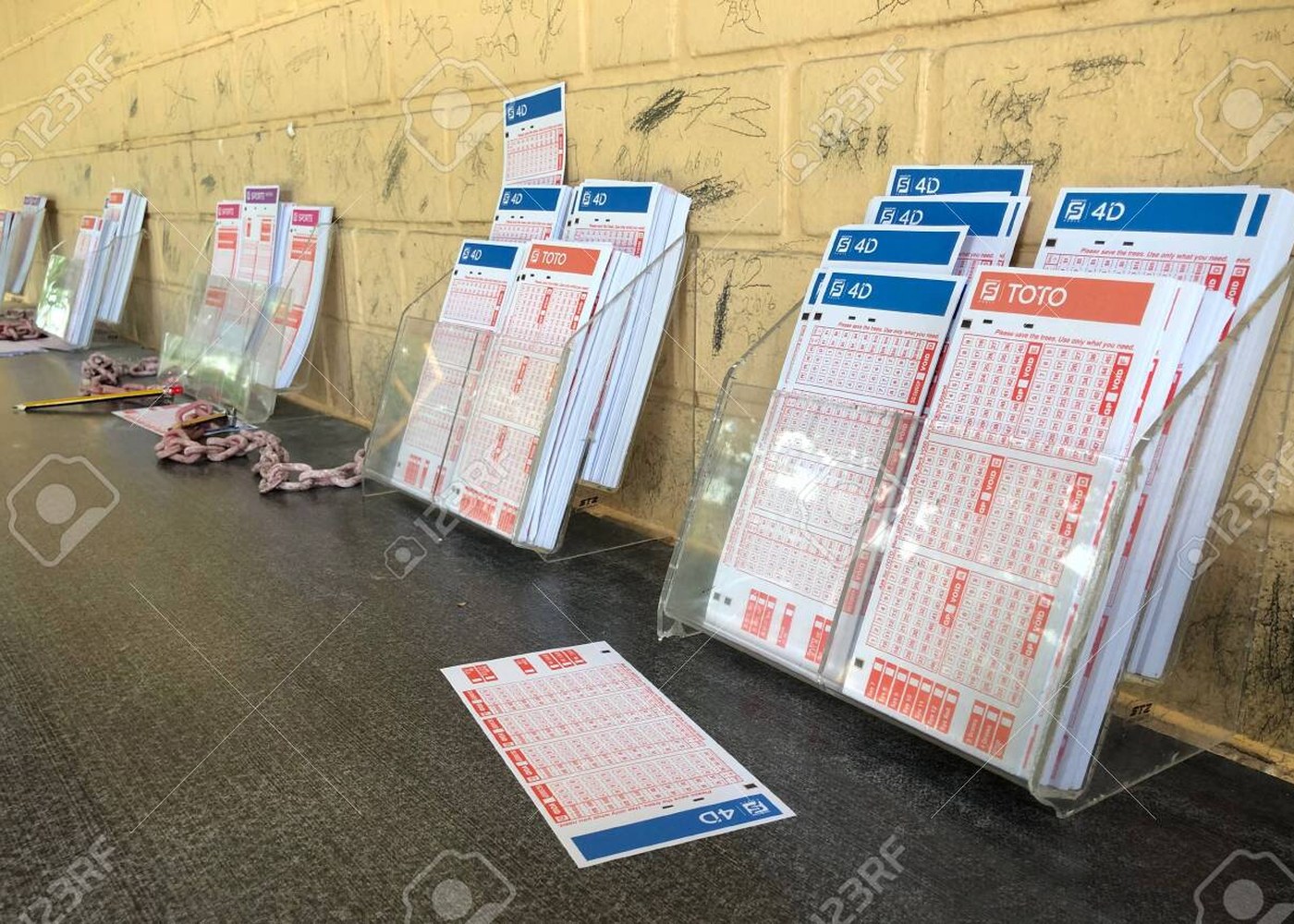
Most regular Malaysian punters have a small set of pre-purchase rituals that they follow consistently, regardless of background. These are not formal religious requirements; they are personal habits that have, over time, become part of the weekly routine.
The most common is the choice of day. Many ethnic Chinese buyers prefer to purchase 4D on the day of the draw itself, believing that the qi of the day is freshest then. Malay buyers often avoid purchasing immediately after a funeral they have attended, treating the aura of the event as incompatible with luck. Indian buyers may consult the daily almanac (panchangam) before deciding whether the day is favourable at all.
Personal grooming matters more than one might expect. Many regulars avoid haircuts on the day they intend to buy, believing that freshly cut hair carries a slight disruption of personal energy. Some Malay punters will shower and change into clean clothes before heading to the outlet, treating the act of buying as something that benefits from ritual cleanliness.
The carrying object is the most consistent element across communities. A red item (a handkerchief, an ang pow, a piece of string) on the person; a protective amulet (a tangkal, a kaval, a jade piece) in the wallet; a small amount of cash kept aside for the ticket that is not from the day's wage but from money already saved. The unspoken logic is that luck responds to intention, and intention is shown by preparation.
What genuinely matters, in practical terms, is that any purchase of a 4D ticket is made from a separate, pre-decided entertainment budget. Treating the amount as the cost of an evening's interest — and walking away from a loss without chasing — is the single behaviour that separates a cultural ritual from a gambling problem. The ritual of preparation is meaningful; the expectation of winning is not.
Counting money at the table. A cross-cultural belief, especially strong among Malaysian Chinese — counting winnings at the gaming table or in the betting shop is believed to "seal" the luck and turn it. Most regulars pocket the cash and count it only at home.
Sitting cross-legged. Believed to "block" the flow of good fortune. Especially observed at gaming tables; many Malaysian punters plant their feet flat on the ground as a matter of habit.
Whistling indoors at night. A Malay belief shared with some Chinese households — whistling after dark is said to invite spirits. The same applies to sweeping the floor after sunset, which is said to sweep away prosperity.
The number 4 in combinations. Already covered above, but worth restating: a 4D ticket with two or more fours is considered by many to carry misfortune, and some punters will not purchase such a combination even if it came to them in a dream.
Buying on a borrowed sum. Across all three communities, the strongest practical taboo is to gamble on money that is not yours. Borrowing to buy 4D is, culturally and financially, considered both bad luck and a sign that gambling has stopped being recreational. If you find yourself here, the Malaysian Gambling Help line at 03-2789 5144 is a free, confidential starting point.
The most common good luck charms in Malaysia include Chinese feng shui coins tied with red string, jade pendants, the maneki neko (lucky cat), red envelopes (ang pow), Malay keris daggers, Hindu yantra geometric diagrams, and Tamil kaval protective amulets. Each is rooted in the cultural tradition of one of Malaysia's three main communities and is used for fortune, protection, and healing.
Many Malaysians keep a dream book, often called a Kitab Mimpi, that maps common dream images to four-digit numbers. For example, dreaming of a snake may correspond to 0448 or 2448, a funeral to 1499, and a wedding to 2424. Players use these mappings to buy 4D tickets from Magnum, Sports Toto, and Da Ma Cai. The practice blends Malay, Chinese, and Indian folk interpretation and is most active in the days before a draw.
In Chinese tradition, red is the colour of life, prosperity, and protection against misfortune, which is why it appears on ang pow envelopes, wedding attire, and Lunar New Year decorations. Many ethnic Chinese gamblers in Malaysia wear red, including red underwear, when buying 4D or visiting a casino. The belief is cultural rather than evidence-based, but it can improve a player's sense of confidence and composure.
Number 8 is the most sought-after because the Cantonese word for eight sounds like the word for prosperity. Other favoured numbers include 2 (easy), 3 (life), 6 (smooth), and 9 (long-lasting). Number 4 is widely avoided because it sounds like the word for death in Chinese. Combinations like 168, 888, and 99 are considered especially auspicious.
No. Talismans, charms, and superstitions are cultural and spiritual practices, not a strategy for winning. They should be understood as tradition and personal meaning. Gambling outcomes are determined by random chance and probability, not by ritual. Anyone who chooses to gamble should set a budget, treat losses as the cost of entertainment, and seek help from Malaysia's Gambling Help resources if gambling stops being recreational.
Authentic cultural talismans — feng shui coins, jade pieces, yantra plates, maneki neko — are widely available at Chinese medical halls in Petaling Street, at Indian shops in Little India (Klang and Brickfields), and at Malay traditional markets in Kelantan and Terengganu. Prices are modest for reproductions. We do not sell talismans and we do not endorse specific vendors. For religious consecration of a keris or preparation of a tangkal, consult an elder or a recognised practitioner within the relevant community.
Talisman Treasures documents beliefs, not predictions. The good luck charms, talismans, rituals, and dream interpretations described here are cultural practices that have been part of Malaysian life for generations. They are worth recording and worth understanding. They are not a method for winning at gambling. Every lottery draw is a random event, and no charm, ritual, or dream changes the underlying mathematics. If your interest in this material is connected to a gambling habit that has stopped being recreational, please contact the Malaysian National Council on Problem Gambling at 03-2789 5144, or speak with someone you trust.