Across the three main Malaysian communities, regular 4D punters share a small, surprisingly consistent set of pre-purchase rituals. None of these are formal religious requirements. They are personal habits that, over time, have hardened into weekly routine. This article records what we found across two months of conversation with regulars at outlets in Kuala Lumpur, Ipoh, and Penang.
The choice of day
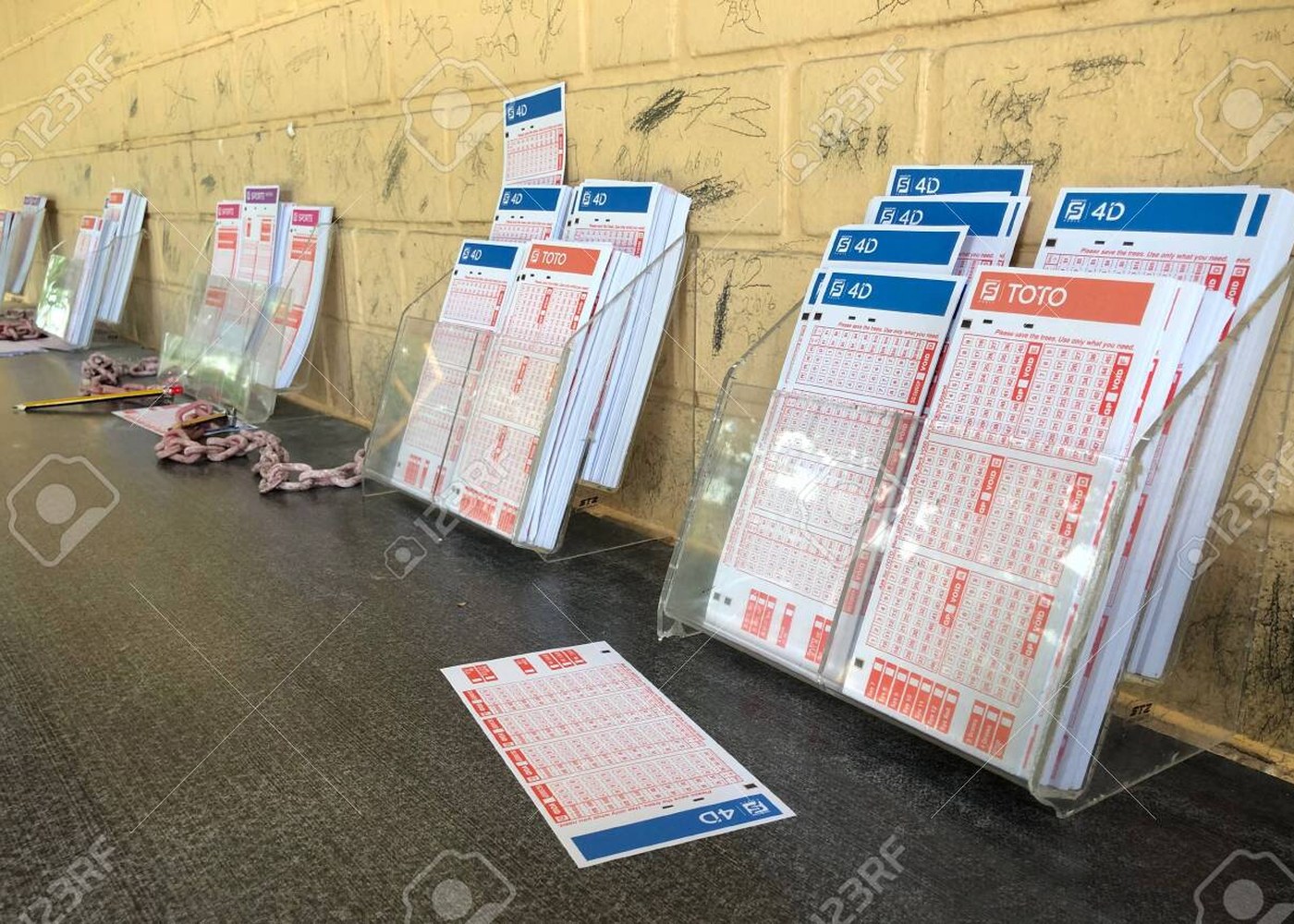
Malaysia's three licensed 4D operators — Magnum, Sports Toto, and Da Ma Cai — hold draws on Wednesday, Saturday, and Sunday, with special draws on selected Tuesdays announced in advance. For most regulars, the choice of when to buy within that weekly cycle is the first ritual decision.
Many ethnic Chinese buyers prefer to purchase on the day of the draw itself, believing that the qi of the day is freshest. Some will only buy in the morning, before noon, on the reasoning that the day's energy has not yet been diluted by the activity of the marketplace. Malay regulars often avoid purchasing immediately after attending a funeral, treating the aura of that event as incompatible with luck for several days. Indian regulars may consult the daily panchangam (almanac) to determine whether the day is favourable at all, and will skip the week entirely if the almanac indicates a period of Rahu kalam, traditionally considered inauspicious for new undertakings.
Personal grooming
The second ritual layer concerns the body. Many regulars avoid haircuts on the day they intend to buy 4D, on the belief that freshly cut hair carries a slight disruption of personal energy that takes a day to settle. This belief is most strongly held among older ethnic Chinese buyers, but it appears across all three communities in a milder form.
Some Malay punters will shower and change into clean clothes before heading to outlet, treating the act of buying as something that benefits from ritual cleanliness — a habit that mirrors the ablution before prayer. Indian regulars may light a small ghee lamp at the family altar before leaving, asking for clear judgement rather than for a specific win.
The carrying object
The most consistent ritual element across communities is the carrying object. A red item on the person — a handkerchief, an ang pow, a piece of string tied around the wrist. A protective amulet in the wallet — a tangkal for a Malay buyer, a kaval for an Indian buyer, a jade piece or a stack of three feng shui coins for a Chinese buyer. And, almost universally, a separate small amount of cash set aside for the ticket that is not from the day's wage but from money already saved.
The unspoken logic is that luck responds to intention, and intention is shown by preparation. The ticket is not bought on impulse; it is bought from a pre-decided amount, carried in a wallet that already holds a protective charm, by a person who has mentally set aside the loss of that amount before the ticket is even printed.
At the outlet
At the counter itself, the rituals compress into small gestures. Many regulars will not hand the cash directly to the operator if they can avoid it — they place it on the counter and let the operator pick it up, on the belief that direct hand-to-hand transfer of money at a betting counter disrupts the luck of the transaction. (This belief is shared by many Malaysian Chinese cashiers in ordinary commerce as well, which is why the small tray for cash is so common at Malaysian counters.)
Some buyers will not say the chosen number aloud, writing it on the betting slip in silence. Others will quietly recite a short phrase — a verse, a mantra, a family saying — as the slip is being processed. The common thread is the conviction that the moment of purchase is a moment of concentrated intent, and that intent is best sealed with stillness.
After the draw
Whether the ticket wins or loses, the post-draw ritual is consistent. Winning tickets are placed in an ang pow envelope or wrapped in red cloth before being taken to be claimed. The cash from a win is not counted at the counter — it is pocketed and counted at home. Losing tickets are folded once and discarded quietly, without resentment. The belief is that luck, like a guest, responds better to a gracious host than to an angry one.
For a string of losses, most regulars have a personal limit — three losing weeks in a row, five losing tickets in a month, a particular financial threshold — after which they stop buying for a defined cooling-off period. This is the single healthiest behaviour we observed across the regulars we spoke with, and it is the one most often quietly passed from older to younger buyers in a family.
The boundary between ritual and problem
The rituals described above are cultural. They are part of how three Malaysian communities have, over generations, learned to live with the randomness of gambling without being ruled by it. They are not, however, a defence against problem gambling — and the line between the two is easier to cross than most regulars admit.
The clearest warning signs, drawn from the Malaysian National Council on Problem Gambling, are these: borrowing to buy; chasing losses by buying more after a losing ticket; concealing the extent of purchasing from family; finding that the weekly ritual has become a daily one; and finding that the amount being spent exceeds what was pre-decided as entertainment. If any of these describes your current pattern, the rituals are no longer doing what culture intends them to do, and it is time to call 03-2789 5144.
For everyone else, the rituals can be a meaningful part of how a small, budgeted weekly entertainment is framed. The good luck charm in the wallet is a piece of personal meaning, not a strategy for winning. The dream dictionary is a way of paying attention to the inner life, not a system for predicting numbers. Held in that frame, they enrich a Wednesday evening. Held in any other frame, they become something else.